Arrosto di Agnello
Slow-roasted lamb with rosemary, garlic, white wine, and crispy potatoes.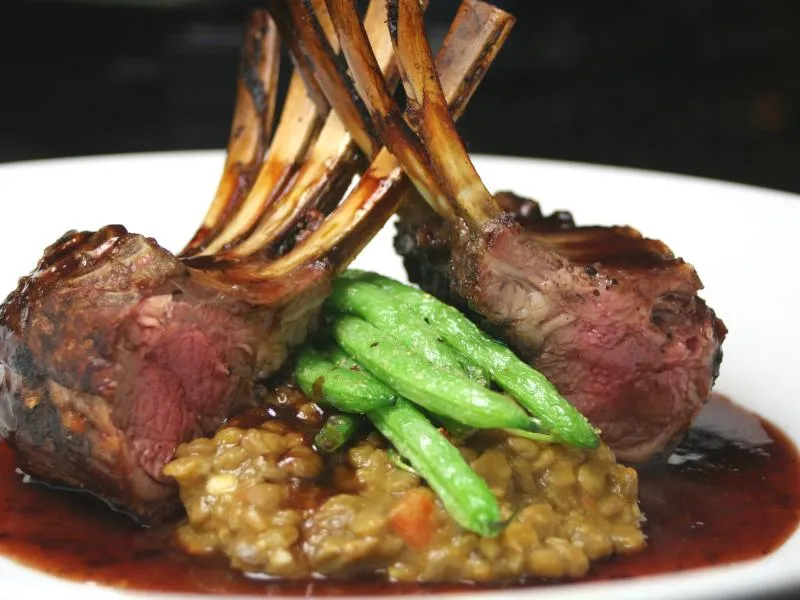
👉 View Authentic Recipe 👈
About This Dish
Arrosto di Agnello, or Italian Roast Lamb, represents the rustic heart of Italian home cooking where slow roasting transforms tougher cuts into tender, flavorful centerpieces. This dish is particularly popular during Easter celebrations and Sunday family gatherings throughout Italy, with regional variations appearing from Tuscany to Abruzzo.
The traditional approach involves marinating lamb with aromatic herbs—especially rosemary and thyme—then roasting it slowly with wine until the meat falls from the bone.
What distinguishes Italian roast lamb from other preparations is the emphasis on developing deep flavors through long, gentle cooking rather than high-heat searing. The lamb is typically cut into manageable pieces rather than roasted whole, allowing the marinade and braising liquid to penetrate every surface. This method ensures maximum flavor development while producing meat that requires no knife to enjoy.
The dish often includes potatoes roasted alongside the lamb, which absorb the rendered fat and cooking juices to become crispy outside and creamy within. While some regions add tomatoes or vegetables to the roasting pan, the classic preparation focuses on the interplay between lamb, wine, herbs, and olive oil—letting the quality of each ingredient shine through.
Our Recipe
This recipe honors traditional Italian techniques while providing clear guidance for achieving tender, deeply flavored lamb at home. The overnight marinade develops complex flavors, while the covered roasting method ensures succulent results.
Ingredients
Serves 8-10
For the Lamb:
- 5 pounds boneless lamb shoulder, cut into 3-inch pieces
- 3 pounds lamb ribs, cut into 2-rib portions
- ¼ cup fresh thyme leaves
- 2 fresh bay leaves
- Zest of 1 lemon, finely grated
- 5 garlic cloves, smashed with the flat of a knife
- ¼ cup fresh rosemary leaves, plus extra for finishing
- ⅓ cup extra-virgin olive oil
- Freshly ground black pepper
- Kosher salt
For Roasting:
- 2 tablespoons extra-virgin olive oil
- 2 large yellow onions, thinly sliced
- 7 ounces pancetta, cut into ½-inch cubes
- 2 cups dry white wine
- 6 large Yukon Gold potatoes, cut into 1-inch cubes
- 1 cup water
Instructions
-
Marinate the lamb: Combine lamb pieces and ribs in a large bowl with thyme, bay leaves, lemon zest, garlic, rosemary, olive oil, and a generous amount of black pepper. Toss thoroughly to coat all pieces. Cover and refrigerate overnight, allowing flavors to penetrate the meat.
-
Prepare for roasting: Remove lamb from refrigerator 1 hour before cooking. Preheat oven to 350°F. Drain lamb and discard marinade herbs. Pat meat dry with paper towels and season generously with salt.
-
Brown the lamb: Heat olive oil in two large roasting pans or Dutch ovens over high heat. Working in batches to avoid crowding, sear lamb pieces on all sides until deeply browned, about 6-8 minutes total per batch. Transfer browned meat to a plate.
-
Build the base: Reduce heat to medium. Divide sliced onions, pancetta, and any reserved garlic between the two pans. Cook, stirring occasionally, until onions soften and pancetta renders its fat, about 10 minutes. The pancetta should begin to crisp at the edges.
-
Deglaze and assemble: Pour half the wine into each pan, scraping up any browned bits from the bottom. Let wine reduce by half, about 3 minutes. Return lamb to pans, nestling pieces among the onions. Add potato cubes around the lamb. Pour ½ cup water into each pan. Season lightly with salt.
-
Slow roast: Cover pans tightly with aluminum foil. Transfer to oven and roast until lamb is fork-tender and practically falling apart, about 2½ to 3 hours. Check halfway through—if liquid has evaporated, add another ½ cup water to each pan.
-
Crisp and finish: Remove lamb and potatoes from roasting pans, transferring to a baking sheet. Increase oven to broiler setting. Broil lamb and potatoes until surfaces develop crispy, caramelized spots, about 4-5 minutes, watching carefully to prevent burning.
-
Prepare the sauce: While broiling, skim excess fat from pan juices. Strain juices through a fine-mesh sieve into a saucepan, pressing on solids to extract maximum flavor. Discard solids. Boil sauce over high heat until reduced by half and slightly thickened, about 5 minutes. Taste and adjust seasoning.
-
Rest and serve: Let lamb rest for 10 minutes before serving. Arrange lamb and potatoes on a large platter. Drizzle with reduced pan sauce and scatter with fresh rosemary and thyme leaves.
🧑🍳 Analyzed by CucinaBot
Why This Dish Works
The overnight marinade allows aromatic compounds from herbs to penetrate the lamb’s surface while the acid from lemon zest begins tenderizing proteins. The low-and-slow covered roasting method creates a moist environment where collagen in tougher cuts breaks down into gelatin, producing supremely tender meat. Wine contributes acidity that balances the richness of lamb fat while adding depth through its own complex flavor compounds. The final high-heat crisping creates textural contrast through the Maillard reaction, developing hundreds of new flavor compounds on the meat’s surface.
Key Success Factors
- Overnight marination: This step is essential, not optional—it allows flavors to penetrate deeply and begins the tenderizing process
- Proper browning: Don’t rush the initial searing; deep caramelization creates the foundation for complex flavor in the final sauce
- Covered roasting: The foil seal traps moisture and creates a gentle braising environment crucial for breaking down tough connective tissue
- Resting period: Ten minutes allows juices to redistribute throughout the meat, preventing them from running out when carved
Common Pitfalls
Many home cooks make the mistake of roasting lamb uncovered at high temperatures, which produces dry, chewy meat instead of the tender, falling-apart texture this dish requires. Another common error is skipping the final broiling step—this crisping phase provides essential textural contrast and concentrated flavor. Using lean lamb leg instead of shoulder or ribs results in less flavorful meat since this dish relies on fat and connective tissue for richness and body.
How to Judge Authenticity
When reviewing recipes, look for these markers of authenticity:
- Includes an overnight marinade with fresh herbs and citrus zest
- Specifies lamb shoulder or ribs rather than lean leg cuts
- Calls for covered, low-temperature roasting for extended periods
- Incorporates white wine as a deglazing and braising liquid
- Finishes with a reduction of the cooking juices rather than thickened gravy