Baccalà Mantecato alla Veneziana
Whipped salt cod transformed into a silky, cloud-like spread with olive oil, garlic, and cream.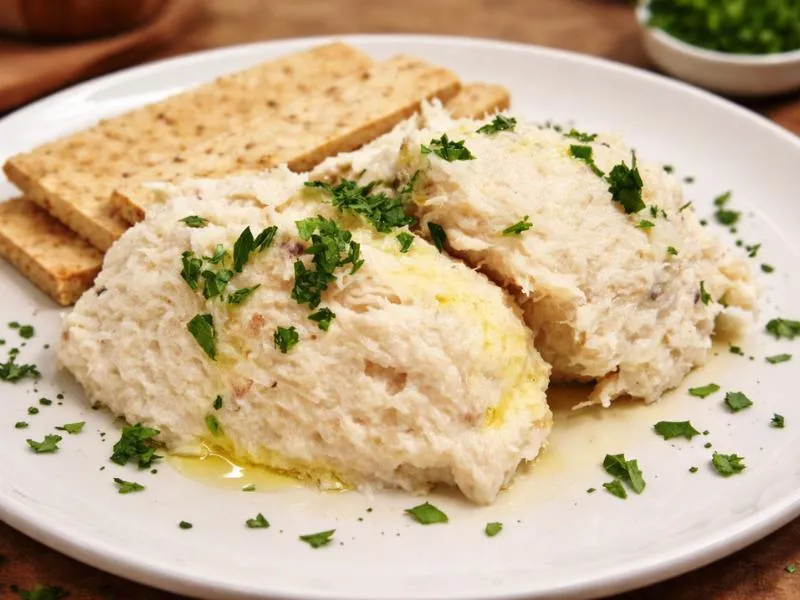
👉 View Authentic Recipe 👈
About This Dish
Baccalà Mantecato alla Veneziana (Creamed Baccalà) represents one of Venice’s most treasured culinary traditions, served for centuries in the city’s historic bacari (wine bars) alongside small glasses of white wine. The name “mantecato” comes from the Venetian dialect, meaning “beaten” or “whipped,” which perfectly describes the transformation of preserved salt cod into an ethereal, cloud-like mousse through vigorous emulsification with olive oil.
This dish dates back to when Venice controlled maritime trade routes, and salt cod arrived from Norway and Iceland as a preserved protein that could survive long sea voyages. Venetian cooks developed the technique of rehydrating the dried fish, then slowly incorporating olive oil while beating the mixture to create a luxurious texture that rivals any French mousse.
Traditionally, the dish was prepared in wooden mortars with vigorous manual beating—a technique now simplified with modern tools while maintaining the same delicate result.
Baccalà mantecato holds special significance during Christmas Eve, when it appears as part of the traditional Feast of the Seven Fishes, though Venetians enjoy it year-round as a beloved cicchetto (small bite). The dish is typically spread on grilled polenta rounds or toasted bread, creating a perfect balance of creamy richness against crispy texture. When prepared correctly, the cod becomes so light and airy that it resembles fresh whipped cream in both color and consistency, with only a subtle hint of the sea.
Our Recipe
This recipe maintains the authentic Venetian technique of slowly incorporating oil to achieve that signature cloud-like texture. The key is patience during the emulsification process and proper rehydration of the salt cod.
Ingredients
Serves 8-10 as an appetizer
- 1 pound dried salt cod (boneless if possible)
- 3 bay leaves
- 6 black peppercorns
- 2 cloves garlic, very finely minced
- 1 cup extra-virgin olive oil (preferably mild and fruity), plus more as needed
- ½ cup heavy cream, warmed
- Freshly ground white pepper
- Juice of ½ lemon (optional)
- Fresh Italian parsley, finely chopped, for garnish
- Grilled polenta rounds or toasted bread slices, for serving
Instructions
-
Rehydrate the salt cod: Place the dried cod in a large bowl or container and cover completely with cold water. Refrigerate for 24 to 48 hours, changing the water every 6-8 hours. The cod should become pliable and significantly less salty (taste a small piece to check). The rehydration time depends on how dried and salty your particular cod is.
-
Poach the cod: Drain the soaked cod and place in a large pot. Cover with fresh cold water, add bay leaves and peppercorns. Bring to a gentle simmer over medium heat (do not boil vigorously). Poach for 15-20 minutes until the cod flakes easily and is cooked through but still holds its shape.
-
Clean the cod: Remove the cod from the poaching liquid and let cool slightly. While still warm, carefully remove any skin, bones, or dark bits. Break the cod into small pieces, checking carefully for any remaining bones.
-
Begin the mantecato process: Place the cleaned cod pieces in a large mixing bowl. Using an immersion blender or stand mixer with paddle attachment, begin breaking up the fish on low speed. Add the minced garlic and continue mixing.
-
Create the emulsion: With the mixer running on medium speed, begin drizzling in the olive oil very slowly—just a thin stream at first. The mixture will gradually transform from chunky fish to a smooth paste. Continue adding oil steadily as the mixture becomes creamy and pale.
-
Add the cream: Once you’ve incorporated about three-quarters of the oil and the mixture is smooth, slowly add the warmed cream while continuing to beat. Add the remaining oil gradually until the baccalà reaches a light, fluffy, mousse-like consistency. You may need additional oil depending on your cod—the final texture should be spreadable but hold soft peaks.
-
Season and serve: Taste and adjust seasoning with white pepper and a squeeze of lemon juice if desired (the cod should provide enough salt). Transfer to a serving bowl, garnish with fresh parsley, and serve immediately with grilled polenta rounds or toasted bread. The baccalà is best served at room temperature.
🧑🍳 Analyzed by CucinaBot
Why This Dish Works
The transformation of salt cod into mantecato relies on creating a stable emulsion similar to mayonnaise. As you beat the cod while slowly adding oil, the fish’s proteins act as emulsifiers, allowing oil and water to combine into a smooth, creamy mixture.
The mechanical action of whipping incorporates air, creating the characteristic light, fluffy texture. The gentle poaching preserves the cod’s delicate texture while removing excess salt, and the combination of olive oil’s fruity notes with the sweet, mild flavor of properly rehydrated cod creates surprising elegance.
Key Success Factors
- Thorough desalination: Changing the soaking water frequently is essential—insufficiently desalted cod will be inedibly salty and prevent proper emulsification
- Slow oil incorporation: Adding oil too quickly will break the emulsion, resulting in a greasy, separated mixture rather than creamy mousse
- Temperature control: The cod should be warm (not hot) when you begin beating it, as this helps the emulsion form more easily
- Proper texture: The final mantecato should be pale ivory, hold soft peaks when lifted with a spoon, and spread easily without being runny
Common Pitfalls
Many recipes incorrectly suggest using food processors, which can overwork the fish and create a gummy texture rather than light and airy. Some versions add ingredients like potatoes or milk, which dilute the pure cod flavor and aren’t traditional to Venice.
The most common mistake is insufficient desalination—tasting the raw soaked cod before cooking is essential to ensure it’s properly prepared. Rushing the emulsification by adding oil too quickly will result in a broken, oily mixture that can’t be salvaged.
How to Judge Authenticity
When reviewing recipes, look for these markers of authenticity:
- Requires 24-48 hours of soaking with multiple water changes
- Uses only olive oil and cream (no butter, potatoes, or milk)
- Specifies gentle poaching rather than aggressive boiling
- Emphasizes slow oil incorporation to create proper emulsion
- Describes final texture as light, airy, and mousse-like rather than dense or pasty
- Suggests serving with polenta rounds (traditional Venetian pairing)