Pasta e Piselli
Small pasta simmered with sweet peas, onions, and Pecorino Romano in a comforting one-pot dish.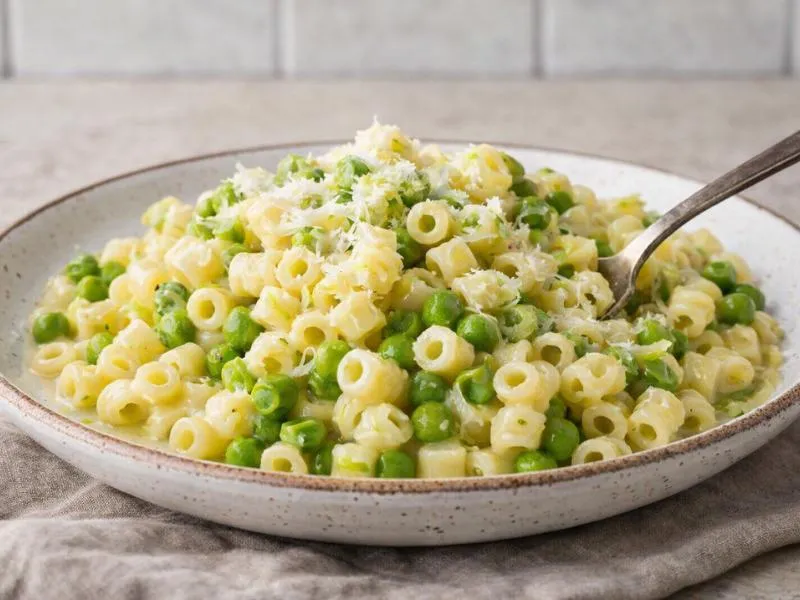
👉 View Authentic Recipe 👈
About This Dish
Pasta e Piselli (Pasta and Peas) is a classic example of cucina povera—Italian peasant cooking that transforms humble ingredients into deeply satisfying meals. This dish originated in Naples and surrounding Campania regions, where resourceful home cooks created nourishing meals from pantry staples: dried pasta, frozen or canned peas, onions, and grated cheese.
The cooking technique is distinctive: rather than boiling pasta separately, it simmers directly in a small amount of water with the peas, creating a creamy, starchy consistency somewhere between soup and traditional pasta. This method maximizes flavor extraction while conserving both fuel and water—practical considerations that shaped many cucina povera techniques.
Traditionally served as a first course or light main dish, Pasta e Piselli remains popular year-round but especially during Lent when meatless meals are observed. The sweetness of peas balances perfectly with salty Pecorino Romano, while the starchy cooking liquid binds everything into a cohesive, comforting whole.
🧑🍳 Analyzed by CucinaBot
Why This Dish Works
The magic lies in cooking pasta directly in minimal liquid alongside the peas. As pasta releases starch during cooking, it creates natural creaminess without dairy (beyond the cheese). Mashing some peas against the pot releases additional starches and breaks down cell walls, intensifying sweetness and creating body. The high ratio of Pecorino and olive oil emulsifies with pasta water to form a silky coating that clings to every piece of ditalini.
Key Success Factors
- Constant Stirring: The low liquid ratio means pasta will stick without frequent stirring—this is essential, not optional
- Water Management: Add water gradually as needed; the final consistency should be creamy but not soupy (unless you prefer it that way)
- Mashing Technique: Crushing a portion of peas creates thickness and releases natural sugars that sweeten the entire dish
- Generous Oil: The half-cup of olive oil isn’t excessive—it’s fundamental to the silky texture and flavor
- Extended Cooking Time: Pasta takes longer to cook in this method than package instructions indicate; test frequently
Common Pitfalls
Many modern versions add unnecessary ingredients like garlic, tomatoes, or cream that detract from the dish’s elegant simplicity. The authentic preparation relies on quality peas (frozen are preferred over canned for better texture and flavor), proper cheese (Pecorino Romano, not Parmesan), and patience with the cooking process. Adding too much water at once or insufficient stirring results in a watery, separated dish rather than the proper creamy consistency.
How to Judge Authenticity
When reviewing recipes, look for these markers of authenticity:
- Pasta cooked directly in the pot with peas (not boiled separately)
- Pecorino Romano as the primary cheese (Parmigiano-Reggiano is acceptable but less traditional)
- Small pasta shapes like ditalini, tubetti, or small shells
- Minimal ingredients—no tomatoes, garlic, or cream
- Instructions to mash some peas during cooking for creaminess